Ayurvedic Treatment for Gout
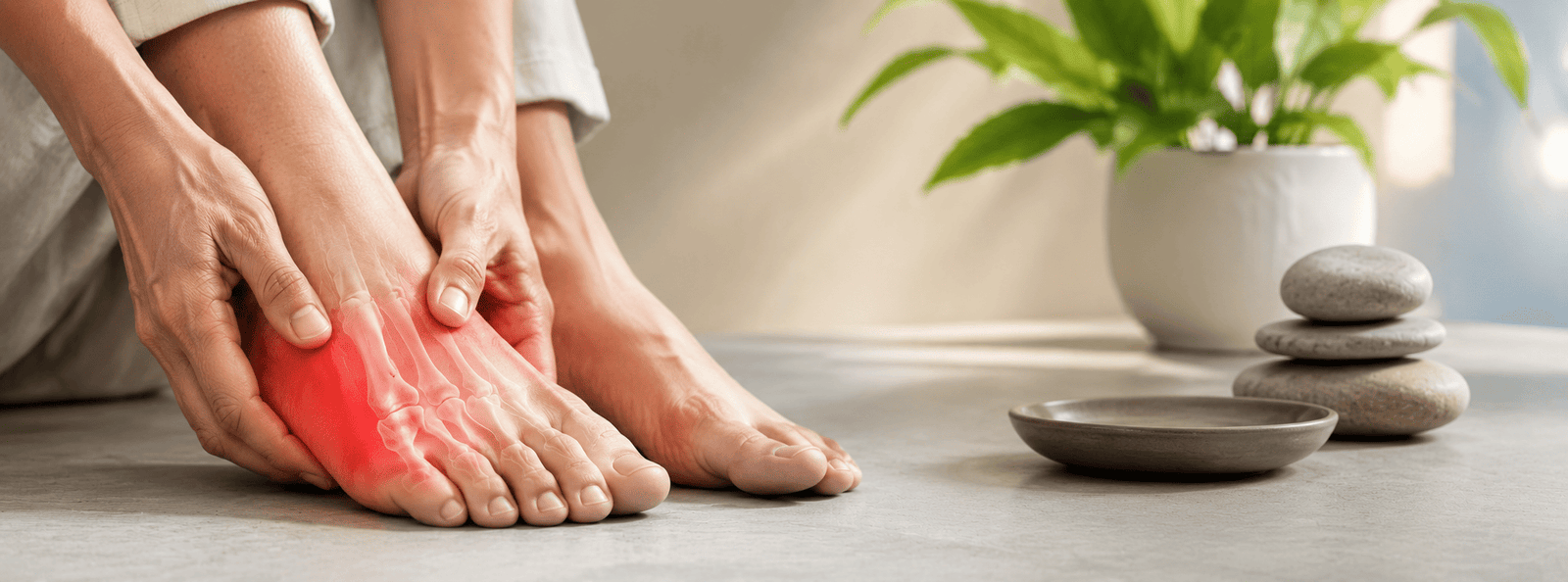
Gout is a painful condition that is linked to elevated uric acid levels and the formation of monosodium urate crystals in the body. It commonly affects the small joints and causes sudden pain, swelling, redness, and warmth. In Ayurveda, gout is traditionally known as Vatarakta; this is a condition linked with the imbalance of Vata Dosha and Raktha Dhatu.
It is important to understand the main causes, symptoms, and dietary factors. Here, the Ayurvedic approaches to gout will help people make informed decisions about themselves and their overall wellness.
What causes gout?
Gout can develop when the body produces too much uric acid, or when it becomes too high.
In simple terms, gout can be defined as when the body generates more uric acid than it can remove. Some kinds of food items and lifestyles may become a reason for gout attacks, including eating a high quantity of meals, organ meat, tuna, sardines, and other purine-rich foods, which may increase the risk of gout. Alcohol content, especially beer, and some medicines also trigger attacks. The causes can be different for different people, so it is more suitable to consult a qualified healthcare professional.
What Are the Symptoms of Gout?
The symptoms of gout can occur suddenly and cause severe pain; it may start at night. The joint may become red, warm, swollen, and painful to the touch. The main body parts that are affected by gout are the big toe, ankle, or knee. It is very important to note that if gout attacks occur repeatedly, they will lead to long-term joint problems. In some cases, tophi may develop. Tophi can be defined as small lumps that are formed by uric acid crystals around the joints and areas like the Achilles tendon or elbow.
Acute vs. Chronic Gout
Acute gout may cause sudden joint pain with redness, warmth, and swelling. These symptoms usually appear during a gout attack.
Chronic gout occurs when gout attacks happen continuously and repeatedly over time. The symptoms and causes include ongoing joint discomfort, reduced movement, and the formation of uric acid crystal deposits.
It is important to understand the symptoms, which may help to clear gout at the earliest stage by seeking appropriate professional care.
How does Ayurveda understand gout?
As we mentioned earlier, in Ayurveda, gout is traditionally linked to an imbalance of Vata Dosha and Rakta Dhatu, along with disturbances in the body channels known as Srotas.
Here, the Ayurvedic clinic mainly focuses on an individual’s condition rather than applying treatments to everyone. A professional Ayurvedic physician may try to understand the person’s condition, symptoms, diet, lifestyle, and overall health before applying a treatment plan.
What Ayurvedic treatments are used for gout?
In Ayurvedic management, there are internal medicines, external therapies, the Panchakarma process, and dietary modifications.
Internal Ayurvedic remedies
In internal Ayurvedic remedies, different classical Ayurvedic formulations may be considered under professional supervision, including
- Kokilaksha Kashayam
- Amritottara Kashayam
- Guduchyadi Kashayam
- Rasnaerandadi Kashayam
- Hareetaki Churnam
- Saddharana Tablet
- Kaishora Guggulu
- Guggulu Tiktaka Ghrutam
The mentioned medicines should be taken by self-prescription. Each medicine has its own dosage, which depends upon different individuals’ health conditions and should be taken under the guidance of a professional Ayurvedic physician.
External Therapies
External Ayurvedic therapies and treatments include Abhyangam, Lepanam, and Dashamoola Ksheera Dhara.
Abhyangam involves therapeutic oils like Pinda Thailam, Madhuyastyadi Thailam, Mahanarayana Thailam, or Kottam Chukkadi Thailam. Lepanam includes applying selected herbal preparations to the affected area, while Dashamoola Ksheera Dhara is another traditional therapy used in Ayurvedic management.
The source may also identify Virechanam as an important Panchakarma approach for gout. Panchakarma procedures should only be performed after following an appropriate consultation and under the supervision of a professional and qualified practitioner.
What Foods Should You Avoid With Gout?
Dietary choices can be an important part of gout management. In this, there are foods to limit or avoid, such as
- Alcohol, particularly beer
- Red meat and organ meat
- Sardines and tuna
- Black gram and Kulatha
- Radish and curd
- Other foods identified as high in purines
It also lists foods like rice, green gram, wheat, certain fruits, bitter gourd, ash gourd, amla, milk, and selected low-fat dairy products among foods that may be good.
However, dietary requirements can be different for different individuals. A qualified healthcare professional or nutrition specialist can provide personalized guidance.
Why Choose Professional Ayurvedic Care for Gout?
One of the main reasons to consult a professional Ayurvedic center is that severe joint inflammation may become recurrent or chronic if it is not properly managed. Professional consultation may help prevent gout and allow treatment to be tailored according to the individual’s condition.
Ayurvedic treatment centers like Kottakkal Ayurveda offer herbal medicines, therapeutic therapies, and better lifestyle guidance through trained and professional Ayurveda practitioners. It has centers in locations including Dubai and Ajman, which offer professional Ayurvedic care based on traditional principles.
What Causes Gout?
Gout is associated with an imbalance between uric acid production and its elimination through the kidneys and intestines. Several dietary, medication-related, and lifestyle factors may contribute to increased uric acid levels or trigger attacks.
Potential factors mentioned in the source include
- High intake of meat and organ meat
- Beer and other alcoholic beverages
- Purine-rich foods such as sardines and tuna
- Certain legumes and vegetables
- Diuretics and aspirin
- Joint trauma or unusual physical exertion
These factors do not affect everyone in the same way, so people experiencing recurring symptoms should seek professional medical assessment.
Book Appointment
Request slot for Ayurvedic Consultation