Ayurvedic Lumbar Spondylosis Care: Therapies, Timelines, and Consultation
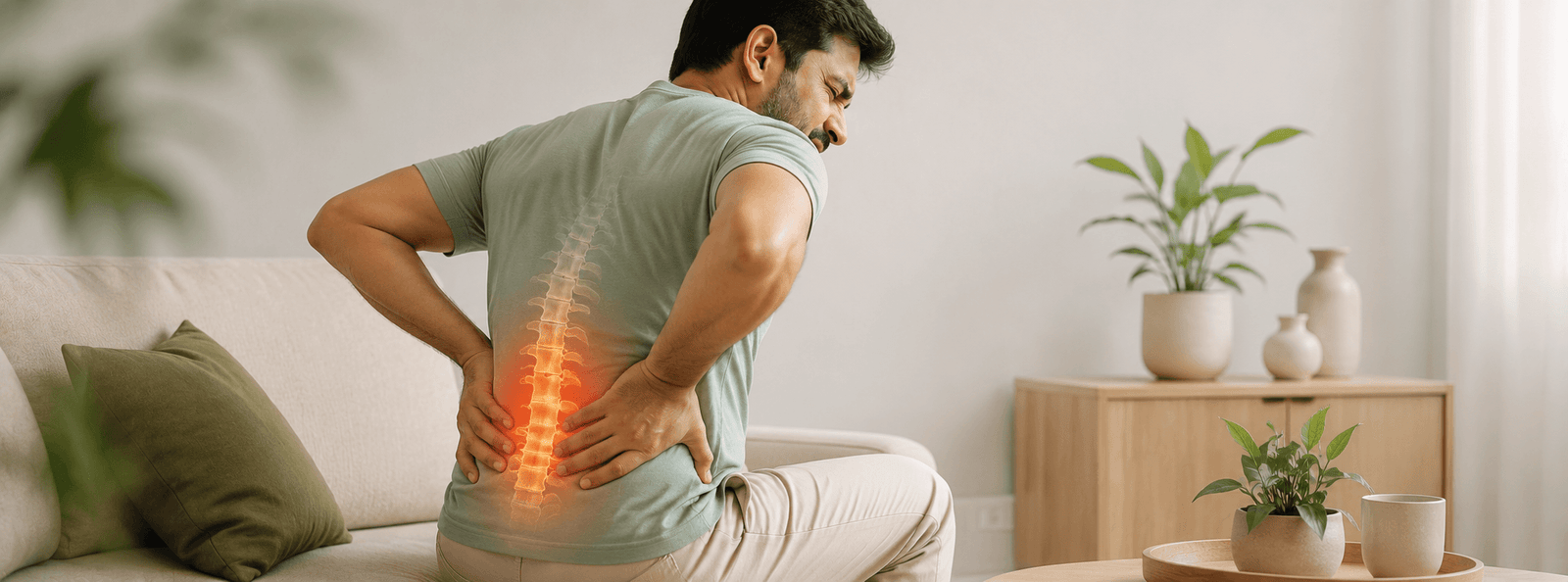
Ayurvedic treatment for lumbar spondylosis ( degenerative changes in the lower spine described in Ayurveda as Katigraha and Asthi-Majja gata Vata) involves a combination of external applications of medicated oil like Kati Basti and Patra Potali Sweda, medication, and specific movement therapy. At the Kottakkal Ayurvedic Treatment Centre in the UAE, after a physician consultation, protocols are structured over multi week blocks.
What Lumbar Spondylosis Means in Ayurvedic Terms
Lumbar spondylosis is the degeneration of the lower back vertebrae, discs, and joints. This degeneration is typically associated with disc dehydration and the build-up of calcium (osteophytes) and spaces between discs (intervertebral) shrinking. People feel stiffness in the morning, aching in the back that is made worse with prolonged sitting or standing, as well as pain that radiates to their hips and legs.
Classic Ayurveda relates this same case to accumulation of Vata in Asthi (bone) and Majja (marrow) tissues and falls under the classifications of Katigraha (lumbar stiffness) and when the nerves are affected, relates to Gridhrasi (the Ayurvedic view of sciatica). Since Vata is dry and light, techniques to combat this ailment are based on the opposite qualities which are heavy, unctuous (oleation), and stable.
Core Therapies Used in Ayurvedic Lumbar Spondylosis Care
A physician selects from an established set of procedures rather than applying a fixed package. Commonly used therapies include:
- Kati Basti: warm medicated oil is retained over the lumbar region inside a herbal dough ring. Used to support local oleation and comfort in the lower back.
- Patra Potali Sweda (Elakizhi): heated boluses of medicinal leaves applied over the spine and surrounding muscles as a form of Swedana (therapeutic sudation).
- Abhyanga with Sarvanga Swedana: full-body oil application followed by steam, generally used to prepare tissues before more intensive procedures.
- Pizhichil: continuous pouring of warm medicated oil, indicated in some Vata-predominant presentations.
- Navarakizhi: medicated rice boluses, often chosen where muscle bulk and strength are a concern.
- Vasti: medicated enema therapy, considered the principal Panchakarma intervention for Vata disorders, administered only under physician supervision.
- Internal medication: classical formulations selected according to Agni (digestive capacity), Prakriti (constitution), age, and coexisting conditions.
Therapy is normally paired with graded exercise, posture correction, and dietary guidance. None of these procedures reverse structural degeneration; they are used as part of a conservative management plan aimed at comfort, mobility, and function.
Realistic Timelines
Timelines vary with symptom duration, imaging findings, age, occupation, and coexisting conditions such as diabetes or obesity. As a general framework:
- Week 1–2: Preparatory oleation and sudation. Many patients experience changes in stiffness and sleep quality before changes in pain intensity.
- Week 2–4: The main therapy block, often 7–21 days of daily procedures depending on the physician’s plan. Vasti, if indicated, is scheduled here in a defined course.
- Month 2–3: Internal medication continues, with a home programme covering movement, work ergonomics, and diet. Progress is reviewed and the plan adjusted.
- Ongoing: Because spondylosis is a degenerative process, many patients return for shorter maintenance blocks once or twice a year.
Anyone promising a fixed number of days for a guaranteed result does not understand how this condition behaves. Responses vary from person to person.
When to Seek Conventional Assessment First
Ayurvedic therapy is one of the many therapies and should not replace medical therapy. You should see a doctor as soon as you get symptoms of progressive leg weakness, numbness in the saddle region, loss of bladder or bowel control, unexplained weight loss, back pain with fever, or back pain after trauma. These symptoms may indicate that further medical tests are needed.
What Happens During Your Consultation
Kottakkal Ayurvedic Treatment Center, an initial consultation involves:
- History taking: pattern of symptoms, how long symptoms have been present, what factors make the symptoms better or worse, work activities, treatment received before, and current treatment with medicine.
- Ayurvedic assessment: Nadi Pariksha (pulse examination), Prakriti and Vikriti analysis, and evaluation of Agni and Koshta.
- Clinical and record review: a physical examination plus any X-rays, MRIs, or lab reports provided by you.
- Plan discussion: proposed therapies, expected duration, cost, and what the plan cannot address.
When you come for your initial visit please bring along your scans and a list of your medications. The center has multiple locations throughout the UAE that include Ajman (head office), Deira Dubai, Satwa Dubai and Sharjah. For appointments, please visit kottakkalayurveda.ae.
Frequently Asked Questions
There is no treatment that stops degenerative changes in the spine. Ayurvedic therapy is used to assist with pain management and preservation of mobility and function with medical management.
Physician-directed programs consist of 7 to 21 days on-site therapy with internal medication and a home therapy program. The length of time is decided by a physician after consulting with the patient.
Bringing in any pre-existing imaging, if available, can aid the physician in assessing the degree of suspected nerve involvement and in ruling out more urgent referrals.
Discuss all current medication with the consulting physician. Do not stop prescribed medicines without speaking to the doctor who prescribed them.
Disclaimer: This article is for general information only and does not constitute medical advice, diagnosis, or a treatment guarantee. Outcomes vary between individuals. Consult a licensed physician before beginning any therapy.
Book Appointment
Request slot for Ayurvedic Consultation