Diabetic Neuropathy: Understanding Nerve Damage from Diabetes
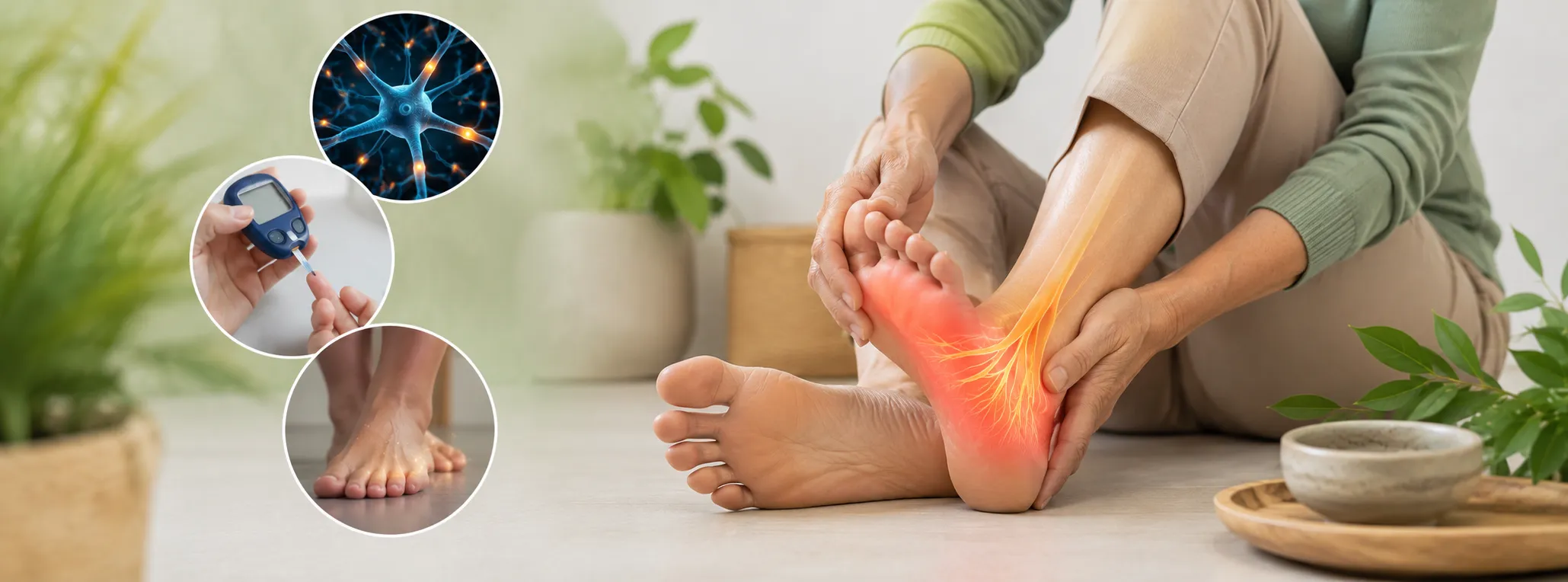
Diabetic neuropathy is one of those complications that creeps up slowly, which is exactly what makes it dangerous. Patients don’t wake up one day with it — it develops gradually, over years, as a direct result of blood sugar levels that have stayed elevated for too long. I see it in both type 1 and type 2 diabetes, and by the time most patients notice symptoms, some degree of nerve damage has usually already occurred.
The Different Types of Diabetic Neuropathy
Not all diabetic neuropathy looks the same, and where it shows up changes both symptoms and severity.
Peripheral neuropathy is the one I see most often. It typically starts in the feet and legs before eventually reaching the hands and arms.
Autonomic neuropathy is a bit different — it comes from damage to the nerves controlling internal organs, which means the symptoms can be far less obvious than a tingling foot and easier to miss until they’ve progressed.
Focal neuropathy damages a single nerve, usually in the hands, legs, head, or torso, and tends to appear more suddenly than the gradual progression seen in peripheral neuropathy.
Proximal neuropathy is the rarest and, honestly, the most disabling. It mostly affects one side of the body — the hip, buttock, or thigh — and rarely spreads to the other side. It causes severe pain and, in many cases, noticeable weight loss.
What Symptoms Should You Watch For?
The symptoms vary depending on the type, but the ones I hear about most often include numbness, tingling, or pain in the hands or feet, along with a burning sensation that often worsens at night. Patients also describe a loss of sensation to touch, muscle weakness, difficulty with balance or coordination, and reduced sensitivity to pain or temperature changes — which sounds almost harmless on paper but is actually one of the more dangerous symptoms, for reasons I’ll get into below.
Who’s Most at Risk?
Blood sugar control matters most, but it’s rarely the only factor. Patients with high cholesterol, elevated triglycerides, obesity, or a genetic predisposition tend to develop nerve damage more readily than blood sugar levels alone would predict. This is part of why managing diabetic neuropathy effectively usually means looking at the whole metabolic picture, not just glucose numbers in isolation.
Why Complications Can Become Serious
Here’s the part that concerns me most as a physician: because sensation is reduced, injuries to the feet and toes can go completely unnoticed. A small cut or blister that a healthy person would immediately feel and treat can, in a patient with neuropathy, quietly develop into an ulcer, then a chronic infection, and, in severe untreated cases, eventually lead to amputation.
Left unmanaged, nerve damage doesn’t necessarily stop at the extremities either — it can progress to affect the nerves supplying the eyes, digestive tract, and sexual organs, which is part of why early intervention matters so much more than people initially realise.
Managing Diabetic Neuropathy
The foundation of management is blood glucose control — keeping levels stable is the single most effective way to prevent further nerve damage. Beyond that, a combination of proper medication, a healthy diet, regular exercise, adequate sleep, quitting smoking, and maintaining a healthy body weight all play a meaningful role.
Managing related risk factors matters just as much — cholesterol, triglycerides, and blood pressure all need attention alongside glucose control since these compound the risk of nerve damage together. With so many things that can go wrong, foot hygiene and injury prevention deserve special attention. Appropriate treatment is important for existing symptoms such as pain, numbness or burning, both for comfort and for catching complications early.
Diabetic Neuropathy in Ayurveda
At Kottakkal Ayurveda, I look at diabetic neuropathy in relation to the larger metabolic picture, since diabetes rarely occurs in isolation from other lifestyle factors. Ayurvedic treatment generally involves encouraging good circulation, nurturing and repairing the nerves, and balancing metabolism through personalised dietary recommendations, herbal remedies, and lifestyle advice that takes into account your unique constitution and current state of health.
This is best used as an adjunct to conventional diabetes management, not a replacement for it; proper glucose monitoring and medical care are still vital, while Ayurvedic support can help address underlying imbalances and improve the overall quality of life with that care.
Frequently Asked Questions
What is diabetic neuropathy?
Diabetic neuropathy is a slowly developing complication of type 1 or type 2 diabetes that develops over years. It is nerve damage due to prolonged high blood sugar.
What is the first sign of diabetic neuropathy?
Early symptoms may include numbness, tingling or pain in the hands and feet and a burning sensation, especially at night.
Is diabetic neuropathy reversible?
Once nerve damage has happened it is normally not fully reversible but good blood sugar control can stop any further damage and lessen symptoms.
Can Ayurvedic treatment control diabetic neuropathy?
Ayurvedic treatment can help improve circulation, nerve health and metabolic balance through personal diet and herbal therapies. Ayurvedic treatment can be used in conjunction with conventional diabetes treatment, not in replacement of it.
Diabetic neuropathy is a silent development; that is why proactive management has an important role to play. Managing blood glucose levels in the healthy range, managing related risk factors, foot care and seeking specific treatment for symptoms can significantly slow its progression. At Kottakkal Ayurveda, we support this journey with personalised care that takes into account the wider metabolic picture behind the condition.
About the Author
Dr Keerthi R. Panicker, BAMS, MD (Ay), is an Ayurvedic physician at Kottakkal Ayurvedic Treatment Centre, Sharjah. She has expertise in Swasthavritta (Ayurvedic preventive and social medicine), and her research interest is in lifestyle-related metabolic conditions.
📍 Kottakkal Ayurvedic Treatment Centre, Sharjah | Booking Appointments
Book Appointment
Request slot for Ayurvedic Consultation