Lumbar Disc Bulge Treatment in Ayurveda: Symptoms, Causes, Ayurvedic Therapies & Recovery
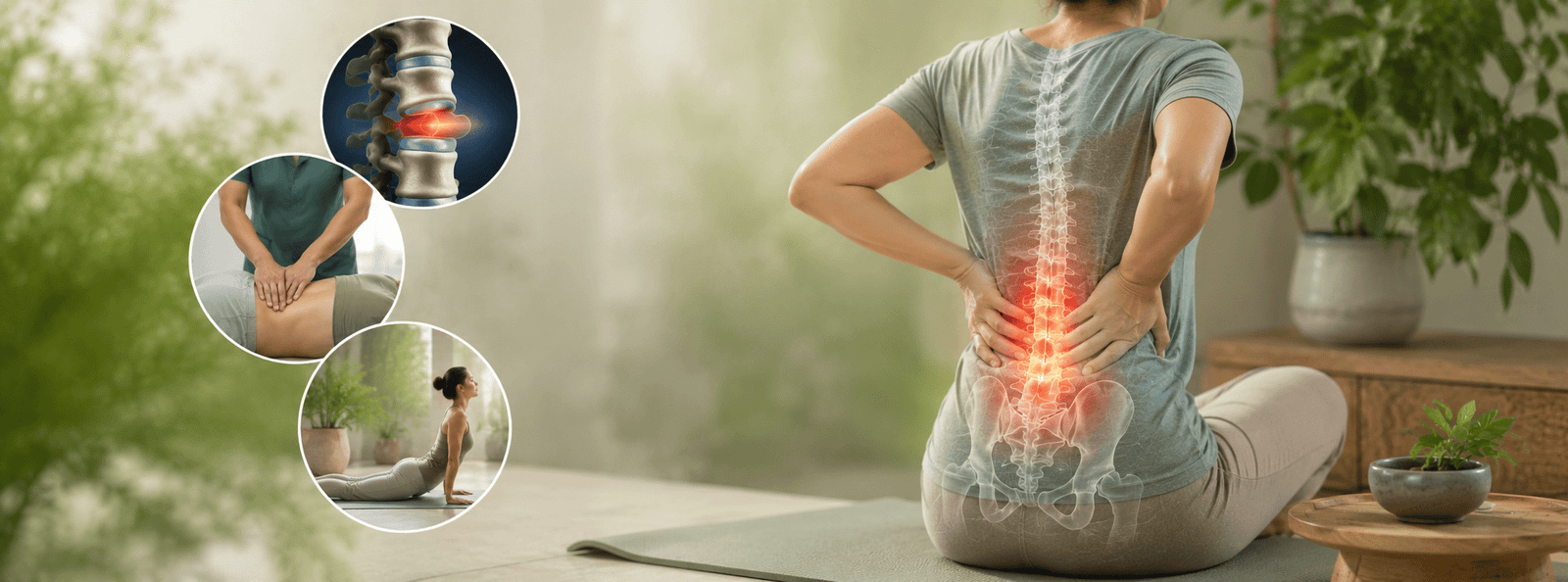
Lower back pain is one of the most common musculoskeletal conditions affecting people of all ages. A lumbar disc bulge, often referred to as a bulging disc or slipped disc, can interfere with everyday activities such as sitting, walking, bending, or lifting. If left untreated, it may lead to persistent pain, numbness, or weakness in the legs, significantly affecting quality of life.
Ayurveda offers a holistic approach to managing lumbar disc bulge by focusing on relieving pain, reducing inflammation, improving mobility, and restoring spinal health naturally. Instead of addressing only the symptoms, Ayurvedic treatment aims to identify the root cause of the condition and promote long-term recovery through personalized therapies, herbal medicines, diet, and lifestyle modifications.
What Is a Lumbar Disc Bulge?
The spine is made up of a series of bones called vertebrae, separated by soft, cushion-like structures known as intervertebral discs. These discs act as natural shock absorbers, allowing flexibility while protecting the spine during movement.
Each disc has two main parts:
- Annulus Fibrosus: The tough outer layer made of strong fibrous tissue.
- Nucleus Pulposus: The soft, gel-like center that absorbs pressure and distributes weight evenly.
When the outer layer weakens due to ageing, injury, repetitive strain, or poor posture, the inner gel begins to push outward. This condition is known as a lumbar disc bulge. If the bulging disc compresses nearby spinal nerves, it can cause pain and neurological symptoms that extend into the hips, buttocks, and legs.
Lumbar Disc Bulge in Ayurveda
According to Ayurveda, lumbar disc disorders are commonly associated with an imbalance of Vata Dosha, particularly Apana Vata, which governs the lower back, pelvis, and lower limbs. Excess Vata may lead to dryness, degeneration, stiffness, pain, and restricted movement.
Ayurvedic treatment focuses on restoring the balance of Vata through therapeutic oils, Panchakarma procedures, herbal medicines, external therapies, and lifestyle modifications. This comprehensive approach supports the body’s natural healing process while improving spinal function and reducing the likelihood of recurrence.
Common Causes of a Lumbar Disc Bulge
Several factors can contribute to the development of a bulging lumbar disc, including:
- Age-related degeneration of spinal discs
- Improper lifting techniques
- Repetitive bending or twisting movements
- Poor posture during prolonged sitting
- Sedentary lifestyle
- Obesity or excess body weight
- Sports injuries or accidents
- Weak core and back muscles
- Occupational strain involving heavy lifting
Understanding the underlying cause helps determine the most appropriate Ayurvedic treatment plan.
Symptoms of a Lumbar Disc Bulge
The severity of symptoms depends on the extent of disc bulging and whether nearby nerves are compressed.
Common symptoms include:
- Persistent lower back pain
- Pain that worsens while sitting or bending forward
- Pain during coughing, sneezing, or lifting
- Sciatica (pain radiating down one leg)
- Numbness or tingling in the legs or feet
- Muscle weakness in the lower limbs
- Difficulty standing or walking for long periods
- Reduced flexibility and spinal movement
- Muscle spasms in the lower back
Important: If you experience loss of bladder or bowel control, severe leg weakness, or numbness around the groin area, seek immediate medical attention, as these may indicate a medical emergency.
How Ayurveda Helps Manage Lumbar Disc Bulge
Ayurvedic management is designed to relieve pain, reduce inflammation, nourish spinal tissues, and improve mobility. Treatment is individualized after a detailed consultation and assessment of the patient’s condition, body constitution (Prakriti), and severity of symptoms.
Phase 1: Pain Relief and Inflammation Management
The initial stage focuses on reducing pain and calming aggravated Vata Dosha.
Depending on the patient’s condition, treatment may include:
- Ayurvedic herbal medicines
- Medicated oil applications
- Herbal paste therapy
- Choorna Pinda Swedam (herbal bolus fomentation)
- Gentle therapeutic procedures to improve circulation and reduce inflammation
This phase helps reduce discomfort and prepares the body for further rehabilitation.
Phase 2: Ayurvedic External Therapies
Once pain is controlled, specialized Ayurvedic therapies are introduced to improve spinal stability and muscle function.
These therapies may include:
- Kati Vasti – Retaining warm medicated oil over the lower back to relieve pain and nourish spinal tissues.
- Patra Pinda Swedam (Elakizhi) – Herbal leaf bolus therapy that helps reduce stiffness and improve flexibility.
- Pizhichil (Kayasekam) – Warm medicated oil therapy that supports muscle relaxation and Vata balance.
- Shashtika Shali Pinda Swedam (Njavarakizhi) – Nourishing rice bolus therapy for strengthening muscles and soft tissues.
- Mamsa Pinda Swedam – Therapy aimed at supporting weakened muscles and improving function.
- Lumbar Traction – Performed when clinically indicated to reduce pressure on spinal structures.
The selection of therapies depends entirely on the patient’s clinical evaluation.
Phase 3: Functional Rehabilitation
As pain decreases, the focus shifts to restoring strength, flexibility, and normal movement.
This phase may include:
- Ayurvedic physiotherapy
- Gentle stretching exercises
- Core strengthening
- Postural correction
- Walking and mobility training
- Continued herbal medications for tissue healing
Rehabilitation plays an essential role in improving spinal stability and preventing chronic pain.
Phase 4: Preventing Recurrence
One of the main goals of Ayurveda is preventing future episodes of back pain.
Patients are advised to:
- Maintain correct posture
- Perform regular back-strengthening exercises
- Follow an Ayurvedic diet suitable for Vata balance
- Avoid prolonged sitting
- Lift objects correctly
- Maintain a healthy body weight
- Attend regular follow-up consultations when recommended
Lifestyle modifications are an important part of long-term spinal health.
Common Ayurvedic Therapies for Lumbar Disc Bulge
Ayurvedic treatment plans may include one or more of the following therapies based on individual assessment:
- Kati Vasti
- Patra Pinda Swedam (Elakizhi)
- Choorna Pinda Swedam
- Pizhichil (Kayasekam)
- Shashtika Shali Pinda Swedam (Njavarakizhi)
- Mamsa Pinda Swedam
- Abhyanga (Therapeutic Oil Massage)
- Herbal Medicines
- Ayurvedic Physiotherapy
- Panchakarma therapies where appropriate
Each therapy is selected after a comprehensive consultation with an Ayurvedic physician.
Treatment Duration
The duration of treatment varies depending on several factors, including:
- Severity of the disc bulge
- Duration of symptoms
- Age and general health
- Presence of nerve compression
- Individual response to treatment
In many cases, treatment programs may range from 7 to 28 days, followed by continued rehabilitation and lifestyle guidance.
Benefits of Ayurvedic Treatment for Lumbar Disc Bulge
When provided under the supervision of qualified Ayurvedic physicians, treatment may help:
- Reduce lower back pain
- Improve flexibility and mobility
- Support healthy spinal function
- Relieve muscle stiffness
- Improve circulation
- Promote relaxation
- Strengthen back muscles
- Support long-term recovery
- Reduce the risk of recurrence through lifestyle management
Individual outcomes vary, and treatment should always be tailored to the patient’s condition.
Lifestyle Tips for a Healthy Spine
Along with Ayurvedic treatment, adopting healthy habits can support spinal health and recovery.
- Maintain proper sitting posture.
- Avoid lifting heavy objects incorrectly.
- Perform doctor-recommended exercises regularly.
- Stay physically active.
- Maintain a healthy body weight.
- Sleep on a supportive mattress.
- Avoid prolonged sitting without breaks.
- Follow an Ayurvedic diet suitable for your body constitution.
Why Choose Kottakkal Ayurveda?
At Kottakkal Ayurveda, we combine authentic Ayurvedic principles with individualized treatment plans to help patients manage spinal disorders naturally. Our experienced Ayurvedic physicians assess each patient’s condition before recommending personalized therapies, herbal medicines, and rehabilitation programs.
We offer a range of traditional Ayurvedic treatments, including Kati Vasti, Elakizhi, Pizhichil, Panchakarma therapies, Ayurvedic physiotherapy, herbal medicines, and lifestyle guidance, designed to support recovery and improve overall well-being.
Our goal is not only to relieve symptoms but also to promote long-term spinal health through holistic care.
Frequently Asked Questions
Can Ayurveda help with a lumbar disc bulge?
Ayurveda focuses on relieving pain, balancing Vata Dosha, improving mobility, and supporting the body’s natural healing process through personalized therapies and lifestyle management.
Is surgery always necessary for a bulging disc?
Not every lumbar disc bulge requires surgery. Many individuals benefit from conservative treatment. The appropriate treatment depends on the severity of the condition and should be determined by a qualified healthcare professional.
How long does Ayurvedic treatment take?
Treatment duration varies from person to person and depends on the severity of symptoms. After evaluation, an Ayurvedic physician will recommend a suitable treatment plan.
Can a lumbar disc bulge recur?
Yes. Without proper rehabilitation, posture correction, and lifestyle modifications, symptoms may return. Continuing recommended exercises and following medical advice can help reduce the risk of recurrence.
Conclusion
A lumbar disc bulge can significantly affect daily life, but timely treatment and proper rehabilitation can improve mobility and support long-term spinal health. Ayurveda offers a comprehensive approach that combines herbal medicines, therapeutic procedures, Panchakarma, physiotherapy, and lifestyle modifications to help manage pain naturally and promote overall well-being.
Book Appointment
Request slot for Ayurvedic Consultation